




Graysexuality is reshaping Gen Z’s identity. Discover what it means, why it’s trending, and how it fits in the spectrum of sexuality.
- What Is Graysexuality?
- Why Gen Z Is Talking About It
- What Graysexuality Looks Like in Real Life
- Breaking Myths About Graysexuality
- Why Visibility Matters
- So… Are You Graysexual?
- Gen Z’s Take: Why They Embrace It
- Relationships and Graysexuality
- Why It’s Not “New,” But Newly Visible
- The Bigger Picture
- Final Thoughts
- Related Post Suggestion
You’ve heard of straight, gay, bisexual, and asexual. But what about the “in-betweeners” who don’t fit neatly into any box? Meet graysexuality—the identity that’s giving Gen Z a new way to say, “It’s complicated.”🌈
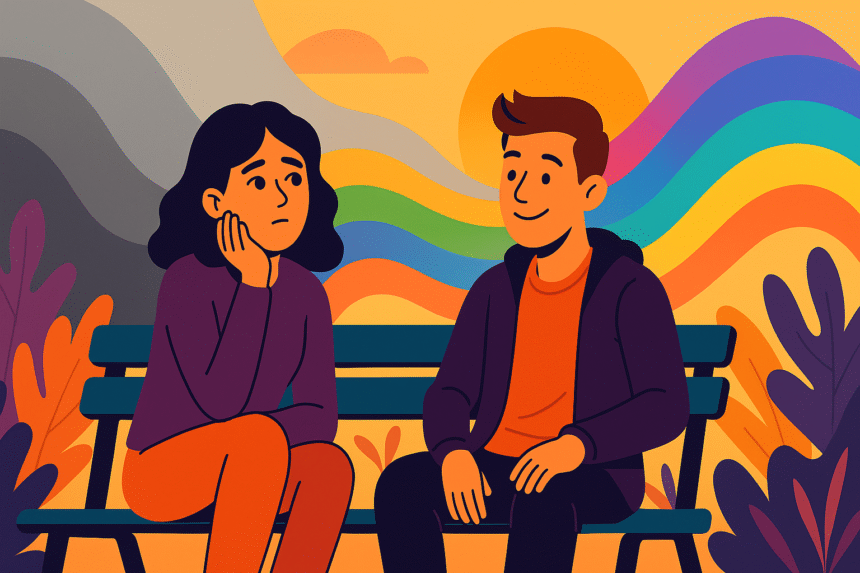
Graysexuality: not “yes,” not “no,” but “sometimes, under certain conditions, maybe.”
What Is Graysexuality?
Graysexuality (sometimes spelled greysexuality) describes people who experience sexual attraction rarely, inconsistently, or only under specific conditions. It sits in the “gray area” between:
- Allosexual – people who regularly experience sexual attraction.
- Asexual – people who do not experience sexual attraction.
Think of it like a dimmer switch instead of an on/off button. Sometimes there’s light, sometimes there’s not.
According to Healthline, graysexuality can also mean feeling attraction with low intensity or only in certain emotional or relational contexts.
Why Gen Z Is Talking About It
Gen Z is rewriting the rulebook on identity. They value nuance, honesty, and open conversations about intimacy, attraction, and boundaries. For many, graysexuality feels like a better fit than forcing themselves into “yes” or “no” boxes.
Reddit’s r/Graysexuality subreddit has become a thriving hub with over 8,300 members sharing stories, struggles, and self-discovery journeys. For example, one user said they thought they were just a “late bloomer” until they discovered others felt the same way—rare or fleeting attraction, even toward long-term partners.
In short: Gen Z isn’t confused. They’re just finding more accurate words.
What Graysexuality Looks Like in Real Life
Dan Beeson, a graysexual man from London, explained it best in Cosmopolitan UK.
He said, “Graysexual… is not ‘I just don’t fancy it tonight.’ For me, it’s being completely devoid of sexual desire in bouts, which can last months, and then one day waking up and realizing that instinct has returned.”
That sums up the lived experience:
- Periods of no attraction.
- Sudden returns of interest.
- Unpredictable, inconsistent patterns.
It’s not a “problem” or a “phase.” It’s simply how some people’s sexuality works.
Breaking Myths About Graysexuality
- It’s not the same as asexuality.
Asexual people typically don’t experience sexual attraction at all. Graysexual people sometimes do. - It’s not about being shy or prudish.
Attraction isn’t a choice—it’s about what someone naturally feels. - It’s not a “trend” or phase.
Sure, the term is gaining popularity now, but the identity itself has always existed. Gen Z is just giving it a name and visibility.
Why Visibility Matters
The rise of graysexuality reflects something bigger: a shift toward more inclusive conversations about sexuality.
For decades, people felt they had to choose between being “on” or “off” sexually. But graysexuality creates space for those who exist in the middle ground.
It helps individuals:
- Validate their own experiences.
- Communicate better with partners.
- Set boundaries without shame.
And it helps society:
- Normalize diversity in sexual identities.
- Encourage empathy and understanding.
- Move away from rigid stereotypes.
So… Are You Graysexual?
If you’ve ever thought:
- “I only feel attraction under specific circumstances.”
- “Sometimes I’m interested, sometimes I’m not—it doesn’t follow a pattern.”
- “I’ve always felt different from how others describe attraction.”
…then graysexuality might resonate with you.
But remember—sexuality is personal. Labels exist to help you, not to box you in. Some people try the term and love it. Others try it and move on. Both are valid.
Gen Z’s Take: Why They Embrace It
Gen Z thrives on:
- Fluidity – Life isn’t black and white, and neither is attraction.
- Community – Online spaces like Reddit provide comfort and support.
- Authenticity – They’d rather say “this feels right for me” than force a label that doesn’t.
This is why graysexuality isn’t just a “buzzword.” It’s part of a bigger movement toward self-awareness and honesty about intimacy.
Relationships and Graysexuality
Being graysexual doesn’t mean relationships are off the table. It just means:
- Expectations may need adjustment.
- Communication becomes even more important.
- Intimacy can look different (emotional closeness, shared experiences, etc.).
For partners, the key is understanding. Many graysexual individuals thrive in long-term, loving relationships—they just experience attraction differently.
Why It’s Not “New,” But Newly Visible
Graysexuality isn’t some fresh Gen Z invention. The difference now is language and acceptance. Previous generations may have experienced it but didn’t have the words or safe spaces to talk about it.
Now, thanks to open discussions, digital communities, and health resources, more people can confidently say: “I’m graysexual, and that’s okay.”
The Bigger Picture
Graysexuality is part of a broader spectrum called the asexual umbrella. Alongside demisexuality (attraction only after strong emotional bonds), it represents the rich diversity of human sexuality.
So instead of thinking of sexual orientation as fixed points, imagine a spectrum with infinite shades. Graysexuality is simply one of those shades—no less valid than the others.
Final Thoughts
Graysexuality shows us that attraction isn’t always constant, predictable, or universal. And that’s not a flaw—it’s human.
By giving this identity a name, Gen Z is doing what they do best: breaking boxes, embracing complexity, and normalizing conversations about things older generations avoided.
So, next time someone says they’re graysexual, you’ll know—it’s not confusion, it’s clarity.
👉 Did this article give you a fresh perspective? Share it with a friend who loves learning about new trends in identity. Drop your thoughts in the comments—because conversations like this only grow when we talk openly.
Related Post Suggestion
“Rashmika Mandanna’s Ring Sparks Engagement Buzz With Vijay Deverakonda”